
Simplemente en la hierba – Acerca del trabajo poético de Mary Oliver – Virginia Fernández Collado
Overview
Simplemente en la hierba – Acerca del trabajo poético de Mary Oliver
***
***
Simplemente en la hierba – Acerca del trabajo poético de Mary Oliver
When I am among the trees,
especially the willows and the honey locust,
equally the beech, the oaks and the pines,
they give off such hints of gladness.
I would almost say that they save me, and daily.
When I am among the trees [From Thirst, 2006]
*
*
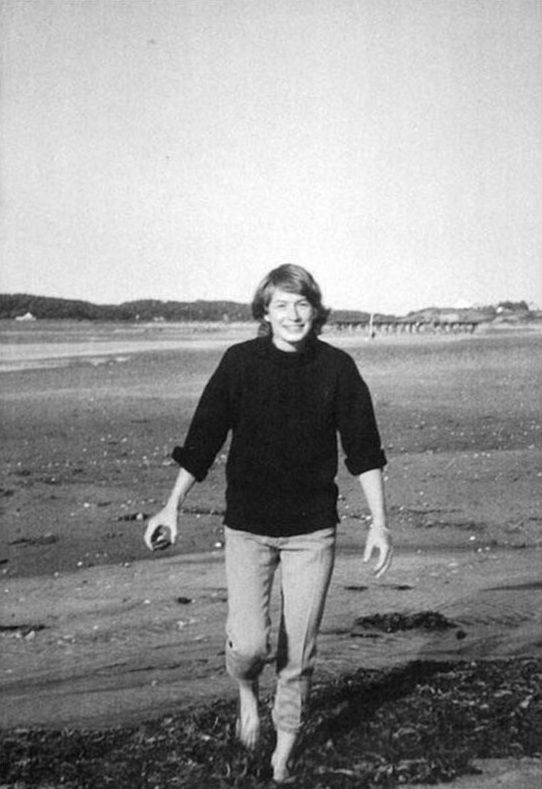
Vida
Nacida en 1935 en un pequeño pueblo de Ohio, Cleveland. Proveniente de una familia desestructurada. Será el ir hacia la naturaleza su forma de escapar del mundo. Al hablar de la experiencia espiritual que vive Jabés cuando tiene la necesidad de salir al desierto, junto a la ciudad de El Cairo, un exilio voluntario, místico (Jabés, 2002: 9):
El desierto fue para mí el lugar privilegiado de mi despersonalización. En El Cairo me sentía prisionero del juego social. Escapaba difícilmente a mi situación (…). Es esa, bien se, la condición de todo escritor que debe trabajar para vivir, pero en El Cairo esa dualidad resultaba más insostenible en la medida en que todos se conocían (…) En las proximidades mismas de la ciudad, el desierto representaba para mí una ruptura salvadora.
Así es como Oliver escapa también del mundo que la atrapa, pero en su caso, su huida es hacia los bosques. De muy joven, con tan solo, diecisiete años se hará cargo del legado de la poeta Edna St. Vicent Millay junto a la hermana de esta, Norma Millay (2021: 123-140). Conoció a la que sería su pareja, Molly Malone Cook en Steepletop, la casa de St. Vicent y vivirán durante más de cuarenta años en el pueblo de Provincetown, fuente de inspiración de Mary Oliver. Vivió allí hasta que Malone murió en el año 2005. Oliver publicó su primer libro de poesía en 1963, a los veintiocho años. A lo largo de su dilatada trayectoria, recibió numerosos premios. Su cuarto libro, American Primitive, ganó el Premio Pulitzer de Poesía en 1984 y con el libro New and Selected Poems ganó en 1994 el National Book Award. Impartió talleres y realizó residencias en diversas universidades, entre ellas Bennington College, donde ocupó la Cátedra Catherine Osgood de Excelencia Docente. Falleció en 2019.
Poesía
Solo parecía dedicarme (en mis poemas) a vagar por los bosques, las dunas y las largas playas de Provincetown.
(Oliver, 2024: 73)
La poesía de Oliver transmite desde el primer momento una sensación de espiritualidad o comunión con la naturaleza. El poema que me atrapó en una primera toma de contacto con ella fue “When I am Among The Trees” de su libro Thrist (2006). Como indica Andreu Jaume (2025:7): “Es la suya una poesía de la atención en un sentido radical. La atención, escribió ella misma en sus ensayos, es «el principio de la devoción».” Observadora del entorno rural donde vive, en las inmediaciones de Provincetown, es donde se inspira de los largos paseos que da y del contacto con lo natural. Ella misma dice (2024: 66): “También yo me enamoré del pueblo, de aquella maravillosa convergencia de tierra y agua; de su luz mediterránea; de los pescadores que se ganaban el pan con la ingrata y complicada faena que llevaban a cabo en embarcaciones pavorosamente pequeñas.” La observación de la naturaleza es verdaderamente el oficio del poeta. Molly Malone en sus diarios anota (2024: 112):
Mary acaba de volver con flores amarillas y con Luke empapado porque ha estado nadando en los estanques. Siempre le pregunto cómo le ha ido ¿Qué significa eso, ¿qué espero oír? Algo bueno, imagino. Pido noticias de seres humanos. Mary vuelve a casa con noticias de zorros, noticias de aves y de sus tiernos amigos los gansos Merlin y Dreamer, que de nuevo tendrán crías bajo su atenta mirada. ¿Cuántos años lleva observándolos? Los gansos van corriendo a su encuentro. Esas son las noticias de Mary.
En sus poemas Mary habla de plantas, árboles, flores, pájaros, roedores, peces, piedras, tormentas y todo lo que va a encontrar a su paso en sus inmersiones en la naturaleza. Ávida lectora, Oliver siempre citó entre sus autores favoritos a Shelley, Keats, Emerson, Thoreau o Walt Whitman, así como los medievales persas Rumi o Hafiz. No obstante, entra dentro de la corriente the American sublime, definida por Harold Bloom como (2025: 7): “esa genuina actualización de los presupuestos románticos en la literatura estadounidense”. La propia definición del trascendentalismo norteamericano que tan famoso hizo Thoreau nos habla de esa forma de ser:
Son solitarios; el espíritu de su escritura y conversación es solitario; les repele la influencia, esquivan la sociedad general, se inclinan por encerrarse en la habitación de su casa, por vivir en el campo antes que en la ciudad y encontrar su tarea y diversiones en la soledad. A la sociedad, desde luego, esto no les gusta y se queja: quien camina solo, acusa al mundo entero y afirma que nadie es digno de ser su compañero; es algo poco cívico, insultante. La sociedad se vengará. Mientras tanto, ese retiro no procede de un capricho de quienes se separan; si alguien se tomara la molestia de hablar con ellos, descubriría que lo escogen por temperamento y por principios, con cierta involuntariedad, incluso, y por ser la opción menos mala, pues estas personas no son melancólicas, tristes e insociables por naturaleza – no son insensibles ni burdas-, sino alegres, solícitas, afectuosas y desean, más que otras, ser amadas (Emerson, 2016: 35-36).
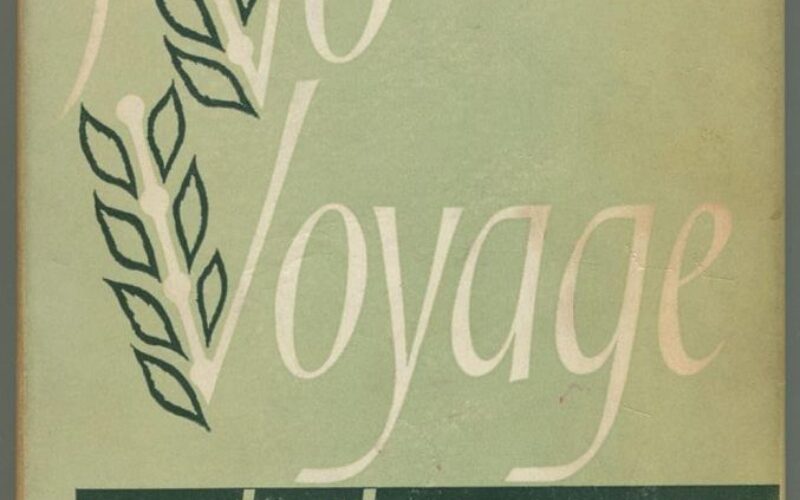
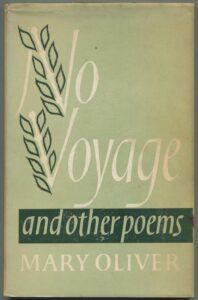
Su obra poética está compuesta por No Voyage and Other Poems (1963 and 1965), The River Styx, Ohio (1972), Twelve Moons (1979), Three Rivers Poetry Journal (1980) and “Three Poems for James Wright” (1982), American Primitive (1983), Dream Work (1986), House of Light (1990), New and Selected Poems: Volume One (1992), White Pine (1994), West Wind (1997), The Leaf and the Cloud (2000), What Do We Know? (2002), Owls and Other Fantasies (2003), Long Life (2004), Why I Wake Early (2004), Blue Iris (2004), New and Selected Poems: Volume Two (2005), Thirst (2006), Red Bird (2008), The Truro Bear and Other Adventures (2008), Evidence (2009), Swan (2010), A Thousand Mornings (2012), Dog Songs (2013), Blue Horses (2014) and Felicity (2015).
En estos tiempos en los que impera esta modernidad líquida descrita por Bauman (2025) hemos de devolver a los trascendentalistas para dejar de ser lo que compramos. Vivir con los bosques, los ríos, volver a la vida que Thoreau (2013) describió en Walden. El hombre no puede encontrar sentido a su vida sin la naturaleza que forma parte de nosotros para volver a dormir y despertar en los bosques.
*
Poemas seleccionados
Los poemas aquí presentados son algunos de la recopilación [2] que ella misma hizo en vida de su obra.
*
No Voyage and Other Poems (1963 and 1965)
Morning in a New Land
In trees still dripping night some nameless birds
Woke, shook out their arrowy wings, and sang,
Slowly, like finches sifting through a dream.
The pink sun fell, like glass, into the fields.
Two chestnuts, and a dapple gray,
Their shoulders wet with light, their dark hair streaming,
Climbed the hill. The last mist fell away,
And under the trees, beyond time´s brittle drift,
I stood like Adam in his lonely garden
On that first morning, shaken out of sleep,
Rubbing his eyes, listening, parting the leaves,
Like tissue on some vast, incredible gift.
*
The River Styx, Ohio (1972)
Going to Walden
It isn´t very far as highways lie.
I might be back by nightfall, having seen
The rough pines, and the stones, and the clear water.
Friends argue that I might be wiser for it.
They do not hear that far-off Yankee whisper:
How dull we grow from hurrying here and there!
Many have gone, and think me half a fool
To miss a day in the cool country.
Maybe. But in the book, I read and cherish,
Going to Walden is not so easy a thing
As a green visit. It is the slow and difficult
Trick of living and finding it where you are.
*
Twelve Moons (1979)
Sleeping in The Forest
I thought the earth
remembered me, she
took me back so tenderly, arranging
her dark skirts, her pockets
full of lichens and seeds. I slept
as never before, a stone
on the riverbed, nothing
between me and the white fire of the stars
but my thoughts, and they floated
light as moths among the branches
of the perfect trees. All night
I hear the small kingdoms breathing
around me, the insects, and the birds
who do their work in the darkness. All night
I rose and fell, as if in water, grappling
with a luminous doom. By morning
I had vanished at least a dozen times
into something better.
*
New and Selected Poems: Volume One (1992)
Rice
It grew in the black mud.
It grew under the tiger´s orange paws.
Its stems thinner than candles, and as straight.
Its leaves like the feathers of egrets, but green.
The grains cresting, wanting to burst.
Oh, blood of the tiger.
I don´t want you just to sit down at the table.
I don´t want you just to eat and be content.
I want you to walk out into the fields
where the water is shining, and the rice has risen.
I want you to stand there, far from the white tablecloth.
I want you to fill your hands with the mud, like a blessing.
*
Thirst (2006)
When I am among the trees
When I am among the trees,
especially the willows and the honey locust,
equally the beech, the oaks and the pines,
they give off such hints of gladness.
I would almost say that they save me, and daily.
I am so distant from the hope of myself,
in which I have goodness, and discernment,
and never hurry through the world
but walk slowly and bow often.
Around me the trees stir in their leaves
and call out, “Stay awhile”.
The light flows from their branches.
And they call again, “It´s simple”, they say,
“and you too have come
into the world to do this, to go easy, to be filled
with light, and to shine.”
*
Swan (2010)
Swan
Did you too see it, drifting all night on the black river?
Did you see it in the morning, rising into the silvery air,
an armful of white blossoms,
a perfect commotion of silk and linen as it leaned
into the bondage of its wings: a snowbank, a bank of lilies,
biting the air with its black beak?
Did you hear it, fluting and whistling
a shrill dark music, like the rain pelting the trees,
like a waterfall
knifing down the black ledges?
And did you see it, finally, just under the clouds-
a white cross streaming across the sky, its feet
like black leaves, its wings like the stretching light
of the river?
And did you feel it, in your heart, how it pertained to everything!
And have you too finally figured out what beauty is for?
And have you changed your life?
*
Felicity (2015)
I know someone
I know someone who kisses the way
a flower opens, but more rapidly.
Flowers are sweet. They have
short, beatific lives. They offer
much pleasure. There is
nothing in the world that can be said
against them.
Sad, isn´t it, that all they can kiss
is the air.
Yes, yes! We are the lucky ones.
*
***
Virginia Fernández Collado
____________________________
Notas al texto
[1] Molly Malone Cook y Mary Oliver vivieron en Provincetown, Massachusetts, durante más de cuarenta años tras conocerse en la antigua casa de la poeta Edna St. Vicent Millay, Steepletop, a finales de la década de los 50.
[2] Se refiere a Oliver (2019).
[3] Aparece una traducción al español de este poema en (Oliver, 2025: 732).
[4] Ibid. (2025: 713).
[5] Ibid. (2025: 671).
[6] Ibid. (2025: 495).
[7] Ibid. (2025:221).
[8] Ibid. (2025:125).
[9] Ibid. (2025: 35)
*
Referencias bibliográficas
BAUMAN, Z. (2025): Los retos de la educación en la modernidad líquida, Barcelona, Herder.
EMERSON, R.W. (2016): Naturalezas, Madrid, La línea del horizonte.
JABÉS, E. (2002): Un extranjero con, bajo el brazo, un libro de pequeño formato, Barcelona, Galaxia Gutenberg.
OLIVER, M. (2019): Devotions, The Selected Poems of Mary Oliver, New York, Penguin Press.
- (2021): Una escritura indómita, Madrid, Errata Naturae.
- & Malone Cook, M. (2024): Nuestro mundo, Madrid, Ediciones Comisura.
- (2025): Devociones, Barcelona, Lumen.
THOREAU, H.D. (2013): Walden, Madrid, Errata Naturae.







![Emilia Pardo Bazán: libre y fiel a sí misma [Con motivo del centenario de su fallecimiento – 12 de mayo de 1921] – Sebastián Gámez Millán](https://cafemontaigne.com/wp-content/uploads/EPB-248x165_c.jpg)
